


Unlocking Your PC: Navigating Windows Activation Issues

The persistent activate windows watermark is a common sight for many users navigating the intricacies of license validation in Windows operating systems. Not only does it serve as a desktop overlay, but it can also be a source of distraction and system notification reminders. This article will explore the origins and solutions to this pervasive issue.
Understanding the Activate Windows Watermark
The activate windows watermark appears when your system detects that the operating system has not been properly activated. This watermark tends to show up on the lower right corner of your screen and remains until the activation process is completed. It serves as a visual reminder that the computer’s license validation is pending, often displaying alongside other windows activation messages. The presence of this watermark can be particularly frustrating for those who rely heavily on their computers for professional work or personal use, as it constantly reminds them of an unresolved issue.
Why Does the Activate Windows Watermark Appear?
This nuisance exists due to an unactivated copy of Windows. Whether you’re using Windows 10 or another version, proper activation verifies that your copy is genuine and hasn’t been used on more devices than permitted under Microsoft’s license terms. Failing to activate windows can limit customization options and prompt further system notifications. Often, users are unaware that their Windows version requires activation because they might have received their software from an unverified source or have forgotten to input their product key during installation.
The Impact of the Watermark
While it doesn’t affect system performance per se, having an activate windows watermark can detract from user experience by continuously serving as a license prompt. Additionally, some software features might be restricted until activation is complete, which could potentially hinder productivity. The constant reminder can also be embarrassing during presentations or meetings where screen sharing is involved, making it crucial for professionals to resolve this issue promptly.
Navigating Solutions to Remove the Activate Windows Watermark
Tackling this issue involves activating your version of Windows correctly. Here are several recognized methods:
- Product Key Activation: Enter a valid product key through the system settings. This is typically found in email confirmation if purchased digitally or on a physical sticker if bought in-store. Ensure that you keep these credentials safe to avoid future complications.
- Use DISM Command: The Deployment Imaging Service and Management Tool (DISM) can help establish whether your system files are intact and ready for activation. Running this command requires administrative privileges but can be a useful tool in diagnosing deeper issues related to activation.
- Contacting Microsoft Support: If you suspect issues with your key or hardware changes, reaching out to official support channels may resolve complex cases. Microsoft’s support team can assist in verifying product keys and guiding through reactivation processes.
KMS Pico as an Unauthorized Approach
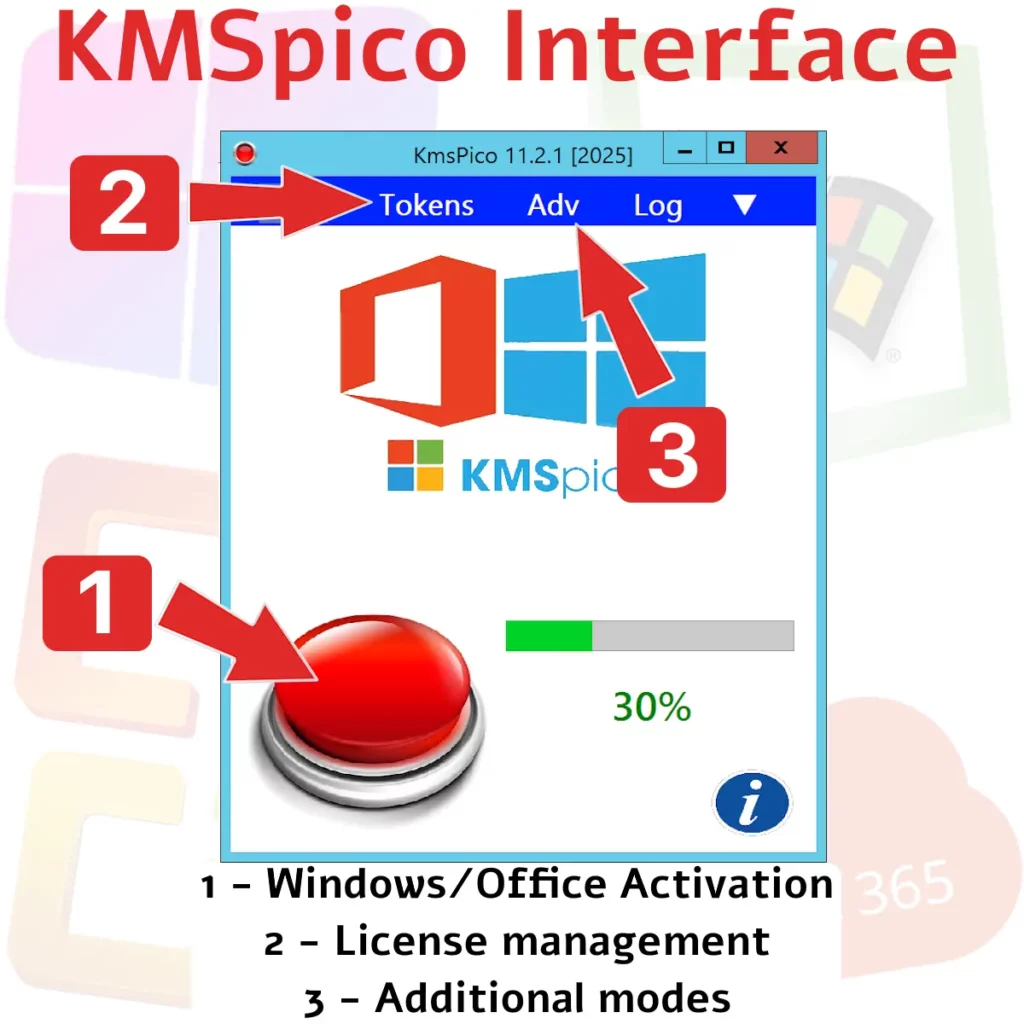
There are various unauthorized tools like kms pico activator that claim to remove the activate windows watermark by circumventing standard procedures. While they might offer temporary relief, these methods introduce significant risks including potential malware infections and legal consequences. Users should be aware that circumventing official channels not only poses security threats but might also lead to compromised data integrity.
Risks Associated with KMS Activators
KMS activators such as kms pico activator or office activator are not endorsed by Microsoft for good reason. They pose security threats by exposing systems to vulnerabilities and frequently breach user agreements. Moreover, using such tools can lead to further complications down the road, as they may interfere with legitimate software updates. It’s important to remember that compromising on authenticity could result in long-term damage far greater than the inconvenience of dealing with a persistent watermark.
Best Practices for Maintaining License Compliance
To avoid facing an activate windows watermark again, it’s essential to adhere to best practices when managing software licenses:
- Purchase from Verified Sources: Always obtain licenses from reputable vendors to ensure you receive valid product keys. This practice helps safeguard against counterfeit software and ensures access to customer support services.
- KMS Server Usage: For educational institutions or large organizations, leveraging an internal KMS server allows consistent activation across multiple devices without individual keys. This central management reduces administrative overhead while maintaining compliance.
- Semi-Annual System Checks: Regularly verify your system’s activation status through settings or command line checks like slmgr.vbs. These checks can preemptively identify potential issues before they escalate into larger problems requiring intensive troubleshooting.
An Ounce of Prevention: Avoiding Future Activation Issues
Ahead of making hardware changes (like motherboard replacement), back up current activation settings using appropriate tools or snapshots if utilizing a VM with at least 2 vCPU / 4 GB RAM capabilities. Such proactive measures help mitigate unexpected license prompts post-upgrade. Preparing beforehand ensures smoother transitions during hardware upgrades without triggering reactivation prompts unexpectedly.
A Note on Office Activations
The issues surrounding window activations also apply similarly to Office products. Using authorized methods ensures compliance without risking data integrity or violating terms. Maintaining updated records of all software licenses within an organization aids in quickly resolving any discrepancies should they arise.
Conclusion: Resolving Activation Woes Permanently
The presence of an activate windows watermark should prompt immediate action rather than frustration. By adhering closely to genuine channels and avoiding shortcuts like unauthorized tools, users can ensure their systems remain secure, compliant, and fully operational. Whether addressing single-device needs or managing organization-wide deployments, understanding these dynamics fosters smoother technology interactions across all levels of use.